'Mental Health Awareness Week', 11-17 May

Updated: May 11

MENTAL HEALTH AWARENESS WEEK
Mental Health Awareness Week is a chance to talk openly about mental health, reduce stigma, and remind ourselves that nobody has to face difficult times alone. Mental health affects how we think, feel, cope with stress, and connect with other people - and just like physical health, it can change from day to day.
This week encourages us to check in with ourselves and with others, celebrate the things that help us feel well, and recognise the importance of kindness, friendship, routine, activity, music, laughter, creativity, and community. Small actions - a conversation, a walk, a favourite song, a shared memory, or simply spending time together - can make a big difference.
For people living with dementia, mental wellbeing is especially important. Meaningful activities, social interaction, reminiscence, music, Cognitive Stimulation Therapy (CST), and emotional support can all help improve confidence, mood, connection, and quality of life.
Mental Health Awareness Week Activities
Share favourite uplifting songs
Create a “Things That Help Me Feel Better” collage
Discuss positive sayings and coping strategies
Gentle exercise, stretching, or relaxation
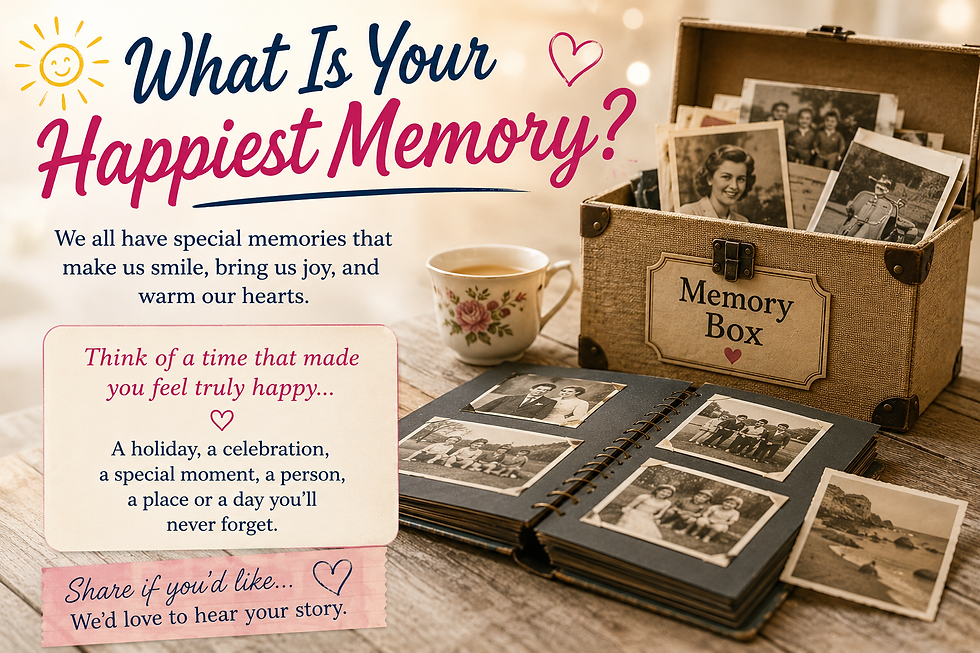
Reminiscence using happy memories and photographs
Arts, crafts, gardening, baking, or singing together

WORLD MENTAL HEALTH DAY – SLIDES INTRODUCTION
The following slides have been created to encourage open discussion, increase understanding, and promote wellbeing during World Mental Health Day. They are designed to support gentle conversation, reduce stigma, and help people feel more informed, connected, and supported.

MENTAL HEALTH CONDITIONS
This slide explores some of the many mental health conditions that can affect people of all ages and backgrounds. Conditions such as anxiety, depression, stress-related illness, bipolar disorder, PTSD, eating disorders, and dementia can have a major impact on daily life, relationships, confidence, and wellbeing. The aim is to encourage understanding and compassion, while reminding everyone that support, treatment, friendship, and meaningful activity can all make a positive difference.

Mental Health Awareness Week
Mental Health Awareness Week is an opportunity to focus on emotional wellbeing, connection, kindness and self-care. The above activity ideas are designed to encourage conversation, creativity and positive social interaction in a supportive and inclusive environment. Even small moments of connection - a friendly chat, a relaxing activity, listening to music, or sharing memories - can have a powerful impact on how we feel.

FACTS ABOUT DEMENTIA
This slide helps raise awareness and understanding of dementia. Dementia is not a normal part of ageing - it is caused by diseases affecting the brain, with symptoms that may include memory problems, confusion, difficulties with communication, changes in mood, and challenges with everyday tasks. However, many people continue to live active, meaningful, and enjoyable lives for many years following a diagnosis. The slide encourages discussion, reduces fear and misunderstanding, and promotes dementia-friendly attitudes and communities.

LIVING WELL WITH DEMENTIA
This slide focuses on hope, positivity, and quality of life. Living well with dementia is supported by staying socially connected, physically active, mentally stimulated, and involved in meaningful activities. Music, reminiscence, friendships, hobbies, routine, good nutrition, Cognitive Stimulation Therapy (CST), and emotional support can all help maintain confidence, independence, and wellbeing. The message is that people living with dementia should continue to be valued, included, supported, and empowered to enjoy life.

WELLNESS ACTIVITIES
The following slides are designed to support wellbeing, conversation, confidence, and enjoyment for people living with dementia. Using familiar sayings, positive discussion topics, reminiscence, music, and meaningful activities can help encourage communication, social connection, emotional expression, and cognitive stimulation in a relaxed and supportive way.
The activities begin with “Complete the Wellness Sayings”, encouraging participants to recall familiar phrases and expressions linked to positivity, resilience, friendship, laughter, and hope. Familiar sayings can help trigger long-term memories, build confidence, and create opportunities for shared laughter and discussion.
The next slides focus on identifying and discussing the many things that benefit our mental health and help us feel better - such as music, walking, gardening, favourite foods, pets, films, hobbies, spending time outdoors, relaxation, creativity, and time with family and friends. These discussions encourage reflection on personal strengths, coping strategies, and sources of comfort and happiness.
The activities then move on to celebrating our favourite people, memories, songs, foods, television programmes, places, and treasured things. Reminiscence and person-centred conversation can help strengthen identity, encourage storytelling, and promote feelings of connection, belonging, comfort, and joy.
These gentle wellness-focused activities are intended to create a positive, supportive atmosphere where everyone feels valued, included, listened to, and encouraged to share.




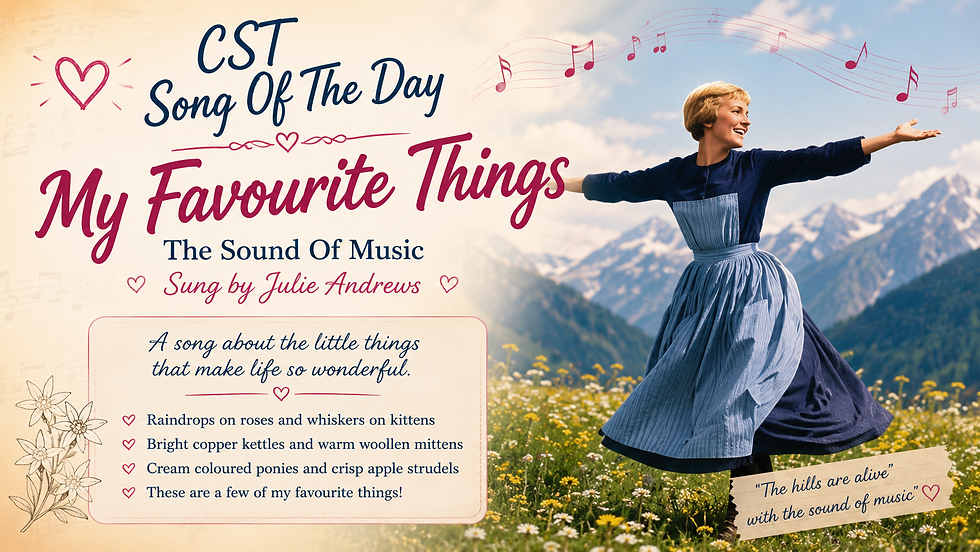

A SONG FOR EVERY DAY OF MENTAL HEALTH AWARENESS WEEK
Music can be a powerful source of comfort, encouragement, connection, and emotional support. During Mental Health Awareness Week, these daily song choices have been selected to reflect themes of hope, friendship, resilience, kindness, support, and getting through difficult times together.
For people living with dementia, familiar music can help unlock memories, improve mood, encourage communication, reduce anxiety, and create moments of joy and connection. Singing together, listening to meaningful lyrics, discussing memories linked to songs, and sharing favourite music can all help support emotional wellbeing and quality of life.
Each song in this series has been chosen because of its uplifting message and strong emotional connection. The songs can be used to encourage conversation, reminiscence, singing along, and discussion about the people, memories, and experiences that help us through life’s challenges.
Throughout the week we celebrate the importance of friendship, community, hope, and asking for help when we need it - reminding ourselves that nobody has to face difficult times alone.


Comments