'Easter Sunday', April 5
- Simon O'Donovan
- Apr 2
- 4 min read


🌼 Easter Sunday
Easter Sunday is one of the most important and uplifting days in the Christian calendar. It celebrates the resurrection of Jesus Christ, symbolising hope, renewal, and new life.
For many people, Easter is also rich with personal memories - from attending church services and singing familiar hymns, to family gatherings, shared meals, and the arrival of spring. The season itself brings longer days, brighter mornings, blooming flowers, and a sense of fresh beginnings.
Within Cognitive Stimulation Therapy (CST), Easter provides a wonderful opportunity to spark conversation, reminiscence, and emotional connection. Themes of renewal and rebirth can help people reflect on their own experiences, traditions, and favourite times of year.
CST Conversation Ideas:
What are your memories of Easter Sundays?
Did you attend church or take part in any traditions?
What foods or treats do you associate with Easter?
What are your favourite signs that spring has arrived?
Easter Sunday is not just a religious celebration - it is a powerful reminder of hope, light, and new beginnings, making it a meaningful and engaging theme for shared activities and discussion.

🌅 CST SONG OF THE DAY – Easter Sunday“Morning Has Broken” – Cat Stevens
Easter Sunday is a time of renewal, hope, and new beginnings - making “Morning Has Broken” a perfect choice for today’s CST Song of the Day.
Originally based on a traditional Gaelic melody, and beautifully recorded by Cat Stevens, this gentle and uplifting song celebrates the beauty of a new day. Its peaceful melody and familiar lyrics can evoke strong emotional connections, helping to spark memories of spring mornings, church services, and personal moments of reflection.
Music like this is especially valuable in Cognitive Stimulation Therapy (CST), as it can:
Encourage reminiscence and storytelling
Promote calm and emotional wellbeing
Support language and memory recall
Create opportunities for shared singing and connection
CST Activity Ideas:
Ask: What does Easter Sunday mean to you?
Discuss: Do you remember hearing this song in church or at home?
Reflect: What are your favourite signs of spring?
Sing along together — even gently humming can be powerful
Simple, familiar, and full of warmth, “Morning Has Broken” is a wonderful way to start Easter Sunday with positivity and connection.

✝️ The Easter Story
The Easter story tells of the final days of Jesus Christ and is at the heart of the Christian faith.
It begins with Jesus arriving in Jerusalem on Palm Sunday, welcomed by crowds. Later in the week, he shared a special meal with his disciples, known as the Last Supper. Soon after, he was arrested and sentenced to death.
On Good Friday, Jesus was crucified and died on the cross. His body was placed in a tomb, and a large stone was rolled across the entrance.
But the story does not end there.
On Easter Sunday, the tomb was found empty. Christians believe that Jesus rose from the dead - a powerful symbol of hope, renewal, and new life.
For many people, this story is deeply meaningful, representing light overcoming darkness and the promise of fresh beginnings.
CST Discussion Ideas:
What parts of the Easter story do you remember?
Have you heard this story in church or school?
What does “new life” or “new beginnings” mean to you?
Do you have any Easter traditions linked to this story?
The Easter story continues to inspire reflection, conversation, and a sense of hope across generations.



🎨 Easter Art Appreciation
Easter has inspired some of the most powerful and moving works of art in history, helping to bring the story of faith, sacrifice, and hope to life through visual images.
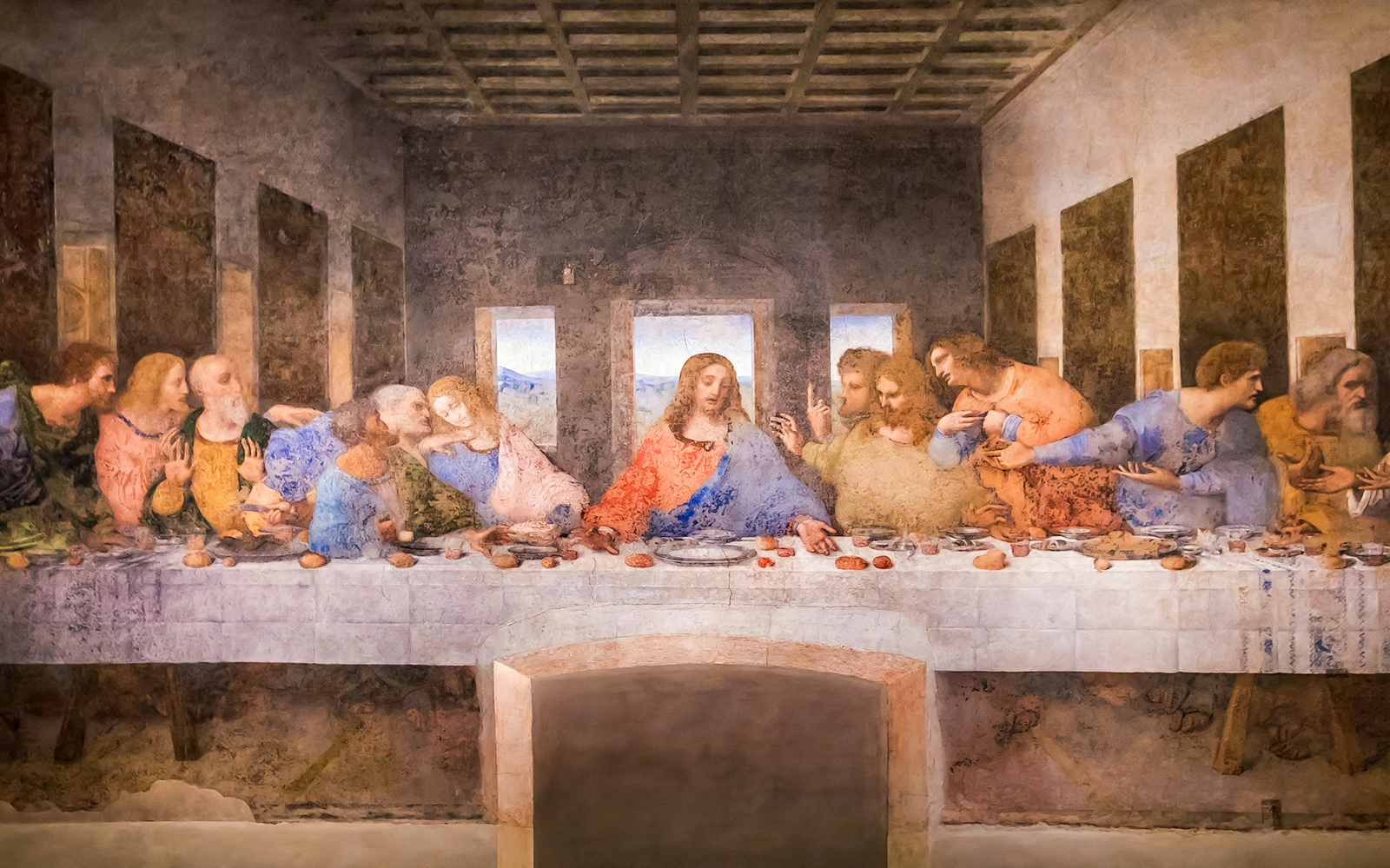
One of the most famous is 'The Last Supper' by Leonardo da Vinci, capturing the moment Jesus shares his final meal with his disciples. The expressions and reactions of each figure invite discussion and interpretation.
A very different and striking image is 'Christ of Saint John of the Cross' by Salvador Dalí, showing the crucifixion from a dramatic, almost dreamlike perspective, encouraging viewers to see a familiar story in a new way.
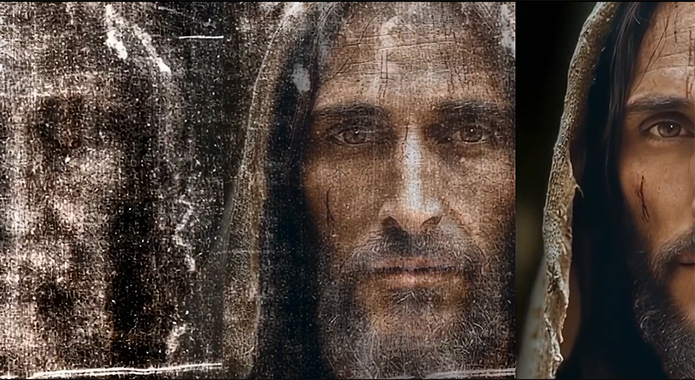
Not all powerful Easter imagery is art. 'The Shroud of Turin' is believed by many to be the burial cloth of Jesus, bearing the faint image of a man. Whether seen as a sacred object or a historical mystery, it continues to inspire fascination and reflection.
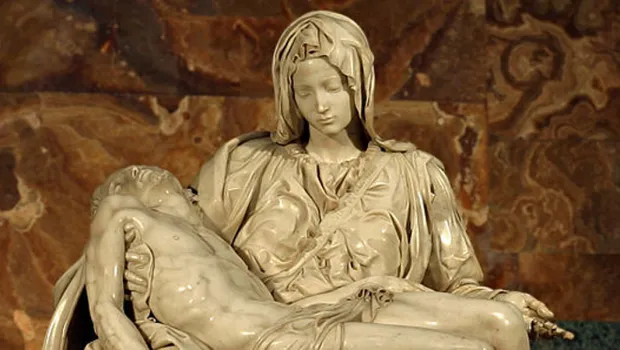
Finally, 'Pietà' by Michelangelo shows Mary holding the body of Jesus after the crucifixion. This sculpture is known for its beauty, tenderness, and deep emotional impact.
These works offer a powerful way to explore the Easter story - through emotion, imagination, and conversation.
CST Discussion Ideas:
Which image feels most powerful or memorable to you?
How do these artworks make you feel?
Do you prefer traditional or more modern interpretations?
Have you ever seen any of these in real life or in books?
Art can help make the Easter story more vivid, meaningful, and easier to connect with, especially through shared discussion and reflection.

🎵 Easter Music
Easter music plays an important role in bringing the story and spirit of the season to life. From powerful choral works to well-loved hymns, the music of Easter often reflects themes of hope, renewal, and joy.
Traditional hymns such as “Christ the Lord Is Risen Today” and “The Old Rugged Cross” are familiar to many people, often linked to church services and shared singing. These songs can evoke strong memories of Easter Sundays, family traditions, and community gatherings.
Classical works like 'Messiah' by George Frideric Handel, especially the famous “Hallelujah Chorus,” are closely associated with Easter celebrations and can create a sense of uplift and grandeur.
Easter has also inspired musical theatre and modern interpretations, including 'Jesus Christ Superstar' and 'Godspell', which present the story in a more contemporary and accessible way.
Within Cognitive Stimulation Therapy (CST), Easter music is a powerful tool. Familiar melodies can:
Encourage singalongs and participation
Trigger memories and emotional connections
Promote conversation and shared experiences
Create a positive and uplifting atmosphere
CST Discussion Ideas:
Do you have a favourite Easter hymn or song?
Do you remember singing in church or school?
Which music makes you feel most uplifted?
Do you prefer traditional hymns or modern songs?
Easter music brings people together through shared memories, emotion, and the simple joy of singing.



Comments